
Why Does the Moon Have Different Names Every Month?
17 Jul. 2025
From Wolf Moon to Strawberry Moon, these monthly lunar names evoke wonder and mystery. But they’re not just poetic expressions. They carry centuries of cultural memory, agricultural knowledge, and spiritual meaning. In this in-depth guide, we’ll explore the fascinating origins of Moon names, how they align with seasonal and astronomical events, and how you can observe and capture these Moons yourself.
The Cultural Origins of Moon Names
Across time and civilizations, people have looked up at the same Moon and assigned it different meanings. Each full Moon of the year has been named according to what was happening on Earth at that time: changes in the environment, agricultural cycles, or spiritual beliefs. These names come from oral traditions passed down by Native American tribes, Celtic communities, Anglo-Saxon societies and beyond.
Native American and Celtic Naming Traditions
Many of the Moon names commonly used today, particularly in North America, stem from Native American lunar calendars. Tribes such as the Algonquin named each full Moon to mark an important seasonal moment: when to plant, hunt, fish, or prepare for the cold months.
In Celtic traditions, the lunar calendar also played a central role. Moon names often referenced natural elements, especially trees. The Celts celebrated the Oak Moon, the Birch Moon, or the Rowan Moon, associating them with deities and seasonal rituals.
Influence of Agriculture and Seasonal Cycles
Moon names weren’t just symbolic; they were deeply practical. For agricultural communities without written calendars, the Moon was a reliable timekeeper.
- The Harvest Moon guided farmers with bright moonlight after sunset, making it easier to collect crops.
- The Planting Moon in spring signaled the time to sow seeds.
- The Snow Moon warned of limited resources and extreme cold.
In effect, these names served as a celestial almanac.
The Use of Moon Names in Ancient Calendars
Before the Gregorian calendar came into use, most societies relied on lunar months. Even today, some religious calendars follow the Moon. The Hebrew, Islamic and traditional Chinese calendars are lunar or lunisolar, with full Moons marking key holidays and festivals. The Moon was not only a timekeeper but a guide for sacred events and rituals.

Orbit illustration by Karl Tate, SPACE.com, from NASA. Moon phase photos by Fred Espenak.
A Month-by-Month Guide to Moon Names
Let’s take a closer look at how the full Moon was named throughout the year, from winter’s silence to summer’s abundance.
January to June: Meanings and Symbolism
-
January – Wolf Moon
Named for the howling of hungry wolves in the deep midwinter. This name appears in both Native American and European traditions. -
February – Snow Moon
Reflects the typically heavy snowfall during this coldest month of the year. -
March – Worm Moon
As the ground softens, earthworms emerge, signalling the approach of spring and the return of birds. -
April – Pink Moon
Named after the blooming of moss pink (phlox), one of the first spring flowers in North America. -
May – Flower Moon
Celebrates the peak of spring, when fields and forests explode with blooms. -
June – Strawberry Moon
Marks the brief harvest season of wild strawberries, traditionally gathered in early summer.
July to December: Origins and Rituals
-
July – Buck Moon
Refers to the time when male deer begin growing their new antlers. -
August – Sturgeon Moon
Named by fishing communities around the Great Lakes, when sturgeon were abundant. -
September – Corn Moon or Harvest Moon
The full Moon nearest to the autumn equinox. It provided crucial light during harvest time. -
October – Hunter’s Moon
Aided hunters tracking game to stock up for the long winter ahead. -
November – Beaver Moon
Signalled the right time to set beaver traps before waterways froze, ensuring warm furs. -
December – Cold Moon
Reminds us of the harsh conditions and long nights as winter takes hold.
How Full Moons Align with Seasonal Events
These names often correspond with solstices, equinoxes and seasonal changes. For example, the Harvest Moon appears near the autumn equinox. The Cold Moon comes close to the winter solstice. This alignment reinforces the deep relationship between lunar cycles and life on Earth.
Are These Names Still Relevant Today?
Despite the rise of digital timekeeping, the traditional names of the full Moons are far from obsolete.
Modern Use in Astronomy and Media
Space agencies, observatories and educational organisations regularly use traditional Moon names. For example, NASA references the Wolf Moon or Strawberry Moon in press releases and public engagement efforts. These names help translate complex astronomical data into something more relatable and engaging.
Revival of Ancestral Knowledge Through Naming
There is growing interest in reconnecting with indigenous and ancestral knowledge. Sharing and using traditional Moon names contributes to preserving these cultural heritages. It’s a way to honour societies that once lived closely attuned to natural cycles.
Role of Moon Names in Cultural Celebrations
Full Moons remain central to many global festivals and rituals:
- In India, the Guru Purnima festival is celebrated on the full Moon of Ashadha, honouring spiritual teachers.
- In China, the Mid-Autumn Festival is marked by the full Moon and symbolises family unity and harvest blessings.
- In Buddhist cultures, full Moons are chosen for sacred observances such as Vesak, commemorating the Buddha’s birth, enlightenment and passing.

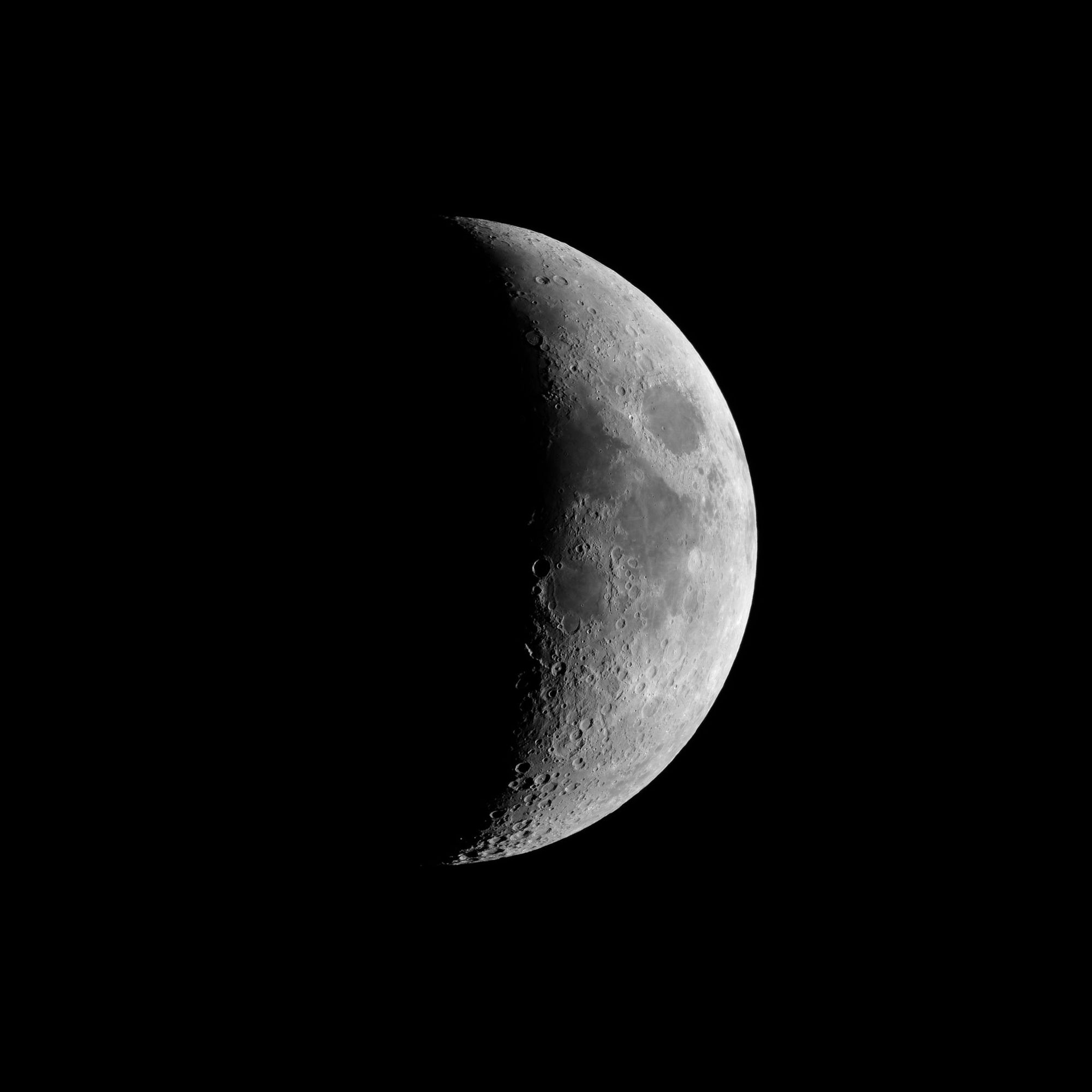
Moon crescent captured from Zion National Park with Vespera pro. April 2024 Stack 150, drizzle x3
Moon Names vs. Astronomical Terms
It’s easy to get confused between cultural Moon names and scientific lunar terminology. Here’s what sets them apart.
The Difference Between a Supermoon and a Harvest Moon
- A Supermoon occurs when the Moon is full while near perigee, its closest point to Earth in orbit. Although often described as appearing larger and brighter, the difference is subtle and barely noticeable to the naked eye—it’s important not to expect a dramatically different Moon.
- A Harvest Moon is the full Moon closest to the autumn equinox, regardless of its size or distance from Earth.
Sometimes a Supermoon and a Harvest Moon coincide, but they are based on different principles: one scientific, the other traditional.
What Astronomers Actually Track
Professional astronomers track the Moon using terms like synodic month, perigee, apogee, libration and eclipse cycles. While Moon names are not part of formal astronomy, they serve an important role in education and public engagement.
Common Misunderstandings in Popular Science
Popular culture sometimes misuses or overdramatizes Moon names. For instance, the Blue Moon is often described as rare, but it simply refers to the second full Moon in a calendar month. While this event is infrequent, it isn’t as rare or mysterious as sometimes suggested.
How to Follow and Photograph the Full Moons
You don’t need to be an astrophysicist to enjoy the beauty of the Moon. With the right tools and a little planning, you can follow and even photograph each full Moon like a pro. Whether you’re a beginner and use Hestia, or have taken many Moon images with your Vespera, observing the Moon is always an inspiring moment of awe.
Dates of Upcoming Full Moons
Staying informed is simple with a lunar calendar or astronomy app. Here are a few full Moons to look out for in 2025:
| Month | Full Moon Date (UTC) | Traditional Name | Notes |
|---|---|---|---|
| July 2025 | July 10, 2025 – 02:36 | Buck Moon | Often associated with deer antler growth |
| August 2025 | August 9, 2025 – 18:55 | Sturgeon Moon (Supermoon) | Appears larger and brighter due to perigee |
| September 2025 | September 7, 2025 – 10:09 | Corn Moon (Partial Lunar Eclipse) | Sometimes called the Harvest Moon if closest to equinox |
| October 2025 | October 6, 2025 – 01:47 | Harvest Moon or Hunter’s Moon | Closest full Moon to autumn equinox (Sept 22) |
| November 2025 | November 4, 2025 – 17:19 | Beaver Moon | Associated with winter preparations |
| December 2025 | December 4, 2025 – 10:14 | Cold Moon | Marks long, dark nights of the year’s end |
Tips for Observing and Capturing Each Moon
Vaonis smart telescopes make astrophotography accessible to everyone.
- Stellina offers high-resolution images with advanced settings, ideal for enthusiasts and educators.
- Vespera is compact, user-friendly and perfect for casual stargazers or travellers.
Both devices connect to your smartphone or tablet, automatically track celestial objects and stack images in real-time for stunning results. With them, photographing the full Moon becomes effortless and enjoyable.
We highly recommend you to check out our special blogpost about how to use your Vespera smart telescope for Moon observations : CLICK HERE.
What Moon Names Tell Us About Time and Tradition
A Bridge Between Science, Folklore and Culture
The Moon is not just a celestial body—it is a mirror reflecting human history, myth and imagination. Moon names serve as a bridge between our scientific understanding and the rich cultural stories passed down over generations.
By learning these names, we preserve not just words but worldviews. We remember how our ancestors lived in harmony with the sky.
Why Lunar Heritage Remains a Source of Fascination
The Moon continues to influence life on Earth: from tides and agriculture to religion and poetry. Its light still inspires curiosity and contemplation.
Even in the age of space exploration, the traditional names of the Moon remind us of something enduring—that humans have always looked to the sky to find meaning, order and wonder.
Frequently Asked Questions
Q: Are Moon names officially recognised by astronomers?
A: No, traditional Moon names are not scientific classifications. However, they are widely used in education, outreach and cultural contexts.
Q: Do other cultures have their own Moon names?
A: Yes. Many cultures, including Chinese, Hindu, Arabic and African societies, have their own full Moon names with distinct meanings and associations.
Q: When is the best time to photograph the full Moon?
A: If you’re using a camera without a telescope, just after moonrise or before moonset is ideal—the Moon appears near the horizon, offering warmer colours and a seemingly larger size. However, if you’re observing with a telescope, the best time is actually when the Moon is high in the sky and between crescent and first quarter phases, when surface contrast and detail are more visible.
Q: What tools help track Moon phases and events?
A: You can use mobile apps like Stellarium or invest in a smart telescope like Vaonis Stellina or Vespera, which automatically follows and captures celestial events.
Final Reflections
The full Moon has guided calendars, inspired myths and lit the way for farmers, hunters and dreamers alike. Its names are more than titles: they are echoes of a time when people listened to nature’s rhythms and found meaning in the sky.
Today, whether through a telescope lens or with the naked eye, we continue that tradition. The Moon’s many names remind us that time is not only counted in minutes and months, but also in stories.
If you’re ready to observe and capture the next full Moon, visit Vaonis.com to explore our Vespera range and bring the night sky within reach.


